


As a supplier of 1.5T Electric Pallet Jacks, I often receive inquiries from customers about how to calibrate the weight sensor of these machines, if equipped. Calibration is a crucial process that ensures the accuracy of weight measurements, which is essential for safe and efficient operation in various industrial settings. In this blog post, I will guide you through the steps of calibrating the weight sensor of a 1.5T Electric Pallet Jack, providing you with a comprehensive understanding of the process.
Why Calibration is Necessary
Before delving into the calibration process, it's important to understand why calibration is necessary. Over time, the weight sensor of an Electric Pallet Jack can experience drift or inaccuracies due to factors such as wear and tear, environmental conditions, and mechanical stress. These inaccuracies can lead to incorrect weight measurements, which can pose safety risks and affect the efficiency of your operations. By calibrating the weight sensor regularly, you can ensure that it provides accurate and reliable weight readings, helping you to make informed decisions and maintain a safe working environment.
Pre-Calibration Checks
Before starting the calibration process, it's important to perform some pre-calibration checks to ensure that the Electric Pallet Jack is in good working condition. Here are some steps you should take:
- Inspect the Pallet Jack: Check the overall condition of the pallet jack, including the forks, wheels, and hydraulic system. Look for any signs of damage or wear, and ensure that all components are functioning properly.
- Check the Weight Sensor: Inspect the weight sensor for any visible damage or signs of wear. Make sure that it is securely mounted and that the wiring is intact.
- Verify the Power Supply: Ensure that the pallet jack is properly charged or connected to a power source. A low battery or unstable power supply can affect the accuracy of the weight sensor.
- Prepare the Weights: You will need a set of known weights to perform the calibration. Make sure that the weights are clean, dry, and within the specified range of the weight sensor.
Calibration Process
Once you have completed the pre-calibration checks, you can proceed with the calibration process. Here are the general steps involved:
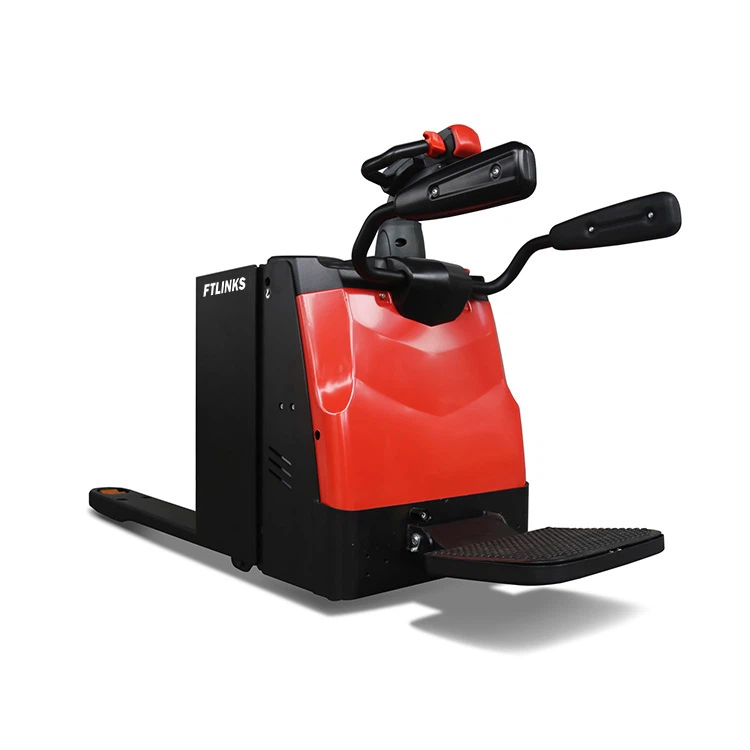
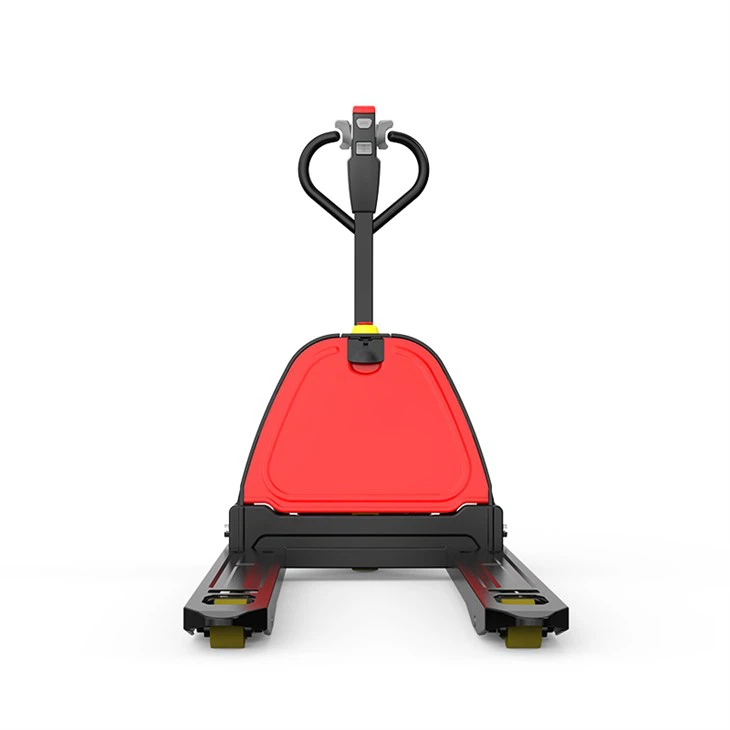
- Access the Calibration Menu: Refer to the user manual of your 1.5T Electric Pallet Jack to find out how to access the calibration menu. This may involve pressing a series of buttons or using a specific code.
- Zero the Weight Sensor: Place the pallet jack on a flat, level surface with no load on the forks. Enter the zero calibration mode in the calibration menu and follow the instructions to zero the weight sensor. This will ensure that the sensor reads zero when there is no load on the forks.
- Apply Known Weights: Place a known weight on the forks of the pallet jack. Make sure that the weight is centered and evenly distributed. Enter the weight value in the calibration menu and follow the instructions to calibrate the weight sensor. Repeat this step with different weights to ensure that the sensor is accurate across the entire range of its capacity.
- Verify the Calibration: After applying the known weights, remove them from the forks and check the weight reading on the display. It should read zero. If it does not, repeat the calibration process until the weight reading is accurate.
- Save the Calibration Settings: Once you are satisfied with the calibration results, save the calibration settings in the calibration menu. This will ensure that the weight sensor retains its accuracy until the next calibration.
Post-Calibration Checks
After completing the calibration process, it's important to perform some post-calibration checks to ensure that the weight sensor is functioning properly. Here are some steps you should take:
- Check the Weight Readings: Place a few different weights on the forks of the pallet jack and check the weight readings on the display. Make sure that the readings are accurate and consistent.
- Test the Overload Protection: Apply a weight that exceeds the maximum capacity of the pallet jack to test the overload protection feature. The pallet jack should stop lifting and display an overload warning.
- Inspect the Pallet Jack: Check the overall condition of the pallet jack again to ensure that there are no signs of damage or wear. Make sure that all components are functioning properly.
Tips for Accurate Calibration
Here are some tips to help you achieve accurate calibration results:
- Use High-Quality Weights: Use high-quality weights that are calibrated and certified. This will ensure that the weights are accurate and reliable.
- Follow the Manufacturer's Instructions: Always follow the manufacturer's instructions when performing the calibration process. This will ensure that you are using the correct procedures and settings.
- Calibrate Regularly: Calibrate the weight sensor of your 1.5T Electric Pallet Jack regularly to ensure that it remains accurate over time. The frequency of calibration will depend on the usage and environmental conditions of the pallet jack.
- Keep a Calibration Record: Keep a record of the calibration results, including the date, time, weights used, and calibration settings. This will help you to track the performance of the weight sensor and identify any issues that may arise.
Conclusion
Calibrating the weight sensor of a 1.5T Electric Pallet Jack is an important process that ensures the accuracy of weight measurements and the safety of your operations. By following the steps outlined in this blog post and using the tips provided, you can calibrate the weight sensor of your pallet jack accurately and efficiently. If you have any questions or need further assistance with the calibration process, please do not hesitate to contact us. We are a leading supplier of Electric Rider Pallet Jack, 2 Ton Electric Pallet Truck, and Electric Walkie Pallet Jack, and we are committed to providing our customers with high-quality products and excellent customer service.
If you are interested in purchasing a 1.5T Electric Pallet Jack or need any other industrial equipment, please contact us to discuss your requirements. We look forward to hearing from you and helping you find the right solution for your business.
References
- User manual of your 1.5T Electric Pallet Jack
- Industry standards and guidelines for weight sensor calibration


