


As a supplier of 1.5 Ton Electric Forklifts, I understand the crucial role that pre - operation inspections play in ensuring the safety, efficiency, and longevity of these powerful machines. In this blog, I'll walk you through a comprehensive pre - operation inspection process for a 1.5 Ton Electric Forklift.
Visual Inspection
Exterior of the Forklift
Begin by conducting a thorough visual inspection of the forklift's exterior. Check for any signs of damage, such as dents, scratches, or cracks on the body. These could indicate previous impacts that might have compromised the structural integrity of the forklift. Pay close attention to the mast, which is a critical component for lifting and lowering loads. Look for any signs of bending or misalignment. A damaged mast can lead to unstable lifting operations and potential safety hazards.
Inspect the forks as well. The forks should be straight and free from any visible damage. Check the tips of the forks for wear; excessive wear can reduce the forklift's ability to handle loads safely. If you notice any issues with the forks, it's important to replace them or have them repaired before using the forklift.
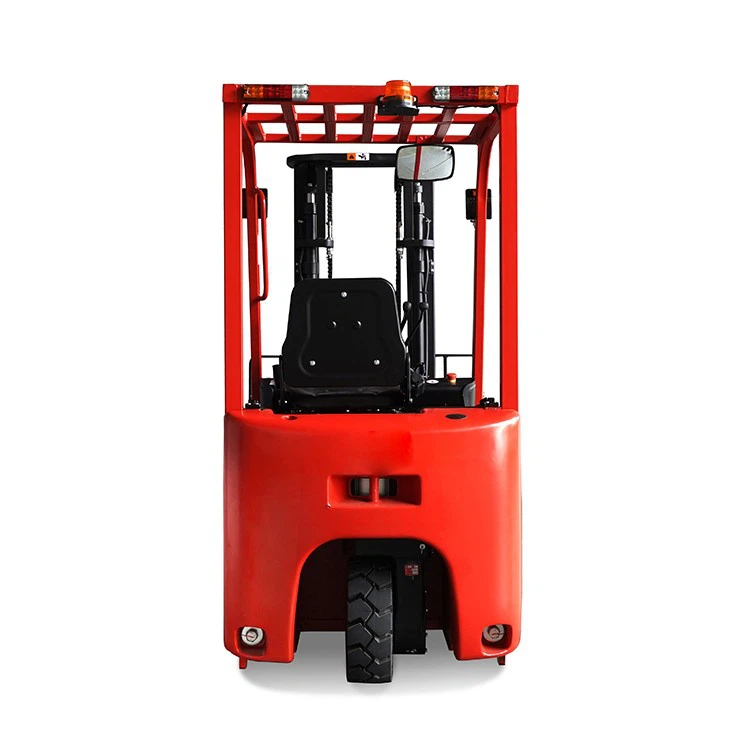

Tires
The tires of a 1.5 Ton Electric Forklift are essential for stability and maneuverability. Check the tire pressure using a reliable tire pressure gauge. The recommended tire pressure can usually be found in the forklift's operator manual. Under - inflated or over - inflated tires can affect the forklift's handling and increase the risk of tire failure.
Inspect the tires for any signs of wear, cuts, or punctures. Worn - out tires can reduce traction, especially on slippery surfaces, and increase the likelihood of accidents. If the tires are severely worn or damaged, they should be replaced immediately.
Lights and Signals
Proper lighting and signaling are crucial for safe operation, especially in low - light environments or busy warehouses. Check all the lights on the forklift, including the headlights, taillights, and turn signals. Make sure they are all functioning correctly. A non - working light can make it difficult for other operators and pedestrians to see the forklift, increasing the risk of collisions.
Also, test the horn to ensure it is loud enough to be heard in the working environment. The horn is an important safety feature that can be used to alert others of the forklift's presence.
Battery and Electrical System
Battery
The battery is the power source of an electric forklift, so it's essential to check its condition regularly. First, check the battery water level if it's a lead - acid battery. The water level should be between the minimum and maximum marks on the battery cells. If the water level is low, add distilled water to the cells carefully.
Inspect the battery terminals for any signs of corrosion. Corroded terminals can reduce the battery's performance and cause electrical problems. If you notice corrosion, clean the terminals using a mixture of baking soda and water and a wire brush.
Check the battery charger as well. Make sure it is in good working condition and that the charging cables are not damaged. A faulty charger can lead to improper charging, which can shorten the battery's lifespan.
Electrical Connections
Inspect all the electrical connections in the forklift. Look for loose or damaged wires, connectors, and fuses. Loose connections can cause electrical shorts, which can lead to malfunctions or even fires. Tighten any loose connections and replace any damaged components.
Hydraulic System
Hydraulic Fluid Level
The hydraulic system is responsible for the lifting and tilting functions of the forklift. Check the hydraulic fluid level in the reservoir. The fluid level should be within the recommended range. Low hydraulic fluid can cause the forklift to lose lifting power or lead to damage to the hydraulic pump.
If the fluid level is low, add the appropriate hydraulic fluid as specified in the operator manual. Be careful not to overfill the reservoir, as this can also cause problems.
Hydraulic Hoses and Cylinders
Inspect the hydraulic hoses for any signs of leaks, cracks, or bulges. A leaking hose can lead to a loss of hydraulic pressure and affect the forklift's performance. If you notice any issues with the hoses, they should be replaced immediately.
Check the hydraulic cylinders for any signs of damage or leakage. The cylinders are responsible for the movement of the mast and forks, so any problems with them can significantly impact the forklift's operation.
Controls and Instruments
Steering and Brakes
Test the steering system to ensure it is responsive and easy to operate. Turn the steering wheel in both directions and check for any unusual noises or resistance. A faulty steering system can make it difficult to control the forklift, increasing the risk of accidents.
Check the brakes as well. Press the brake pedal firmly and make sure the forklift comes to a complete stop. If the brakes feel spongy or if the forklift doesn't stop properly, there may be a problem with the brake system. Have the brakes inspected and repaired by a qualified technician.
Control Levers
Inspect all the control levers, including those for lifting, tilting, and side - shifting. Make sure they move smoothly and return to their neutral positions when released. Stiff or sticky levers can make it difficult to operate the forklift accurately.
Instruments
Check the instruments on the forklift, such as the speedometer, battery gauge, and hour meter. Make sure they are all functioning correctly. The instruments provide important information about the forklift's operation and condition, so accurate readings are essential.
Operator's Compartment
Seat and Seatbelt
The operator's seat should be in good condition and adjusted to the operator's comfort. A worn - out or poorly adjusted seat can cause discomfort and fatigue during long - term operation.
Check the seatbelt to ensure it is in good working condition. The seatbelt is an important safety feature that can protect the operator in the event of an accident. Make sure the seatbelt can be easily fastened and unfastened.
Floor and Foot Controls
Inspect the floor of the operator's compartment for any debris or obstacles. A cluttered floor can interfere with the operator's movement and access to the foot controls.
Check the foot controls, such as the accelerator and brake pedals, to ensure they are functioning correctly. The pedals should be easy to press and release, and there should be no excessive play or resistance.
Conclusion
Performing a pre - operation inspection on a 1.5 Ton Electric Forklift is a critical step in ensuring its safe and efficient operation. By following the steps outlined in this blog, you can identify and address any potential issues before they lead to accidents or costly breakdowns.
If you're in the market for a high - quality 1.5 Ton Electric Forklift, look no further than our 1.5 Ton Electric Forklift. Our forklifts are designed with safety and performance in mind, and we offer comprehensive after - sales support to ensure your satisfaction.
If you have any questions or are interested in purchasing a 1.5 Ton Electric Forklift, please don't hesitate to contact us for a consultation and procurement discussion. We're here to help you find the perfect forklift solution for your business needs.
References
- Forklift Operator's Manual
- Industrial Truck Association Guidelines


