


Lubrication is a critical maintenance task for any machinery, and three wheel electric forklifts are no exception. As a reputable three wheel electric forklift supplier, I understand the importance of proper lubrication in ensuring the smooth operation, longevity, and safety of these valuable industrial vehicles. In this blog post, I'll share comprehensive insights on how to lubricate the moving parts of a three wheel electric forklift, covering everything from the types of lubricants to use, the key moving parts that need lubrication, and the step - by - step lubrication process.
Types of Lubricants for Three Wheel Electric Forklifts
Before diving into the lubrication process, it's essential to understand the different types of lubricants suitable for three wheel electric forklifts.
Grease
Grease is a semi - solid lubricant that is ideal for applications where the lubricant needs to stay in place and provide long - term protection. It is commonly used for bearings, pivot points, and joints in forklifts. When choosing grease, consider factors such as its viscosity, temperature range, and load - carrying capacity. For example, high - quality lithium - based greases are often recommended for forklift applications as they offer good resistance to water, oxidation, and high loads.
Oil
Oil is a liquid lubricant that is used for components that require continuous circulation and cooling, such as the hydraulic system and the transmission. Hydraulic oil, in particular, plays a crucial role in the forklift's lifting and lowering operations. It should have the right viscosity to ensure efficient power transfer and prevent wear and tear on the hydraulic components. Make sure to use the oil specified by the forklift manufacturer to avoid compatibility issues.
Key Moving Parts that Need Lubrication
Forklift Mast
The forklift mast is responsible for lifting and lowering the load. It consists of several moving parts, including rollers, chains, and pivot points. Regular lubrication of these parts is essential to prevent friction, reduce wear, and ensure smooth vertical movement. The rollers, which guide the mast up and down, should be greased at regular intervals to minimize noise and prevent premature failure. The chains also need to be lubricated to maintain their flexibility and strength.
Steering System
The steering system of a three wheel electric forklift allows for precise maneuverability. Components such as the steering column, steering gear, and tie - rod ends require proper lubrication. Greasing these parts helps to reduce steering effort, prevent corrosion, and ensure accurate steering control. Without adequate lubrication, the steering system may become stiff or unresponsive, posing a safety risk to the operator.
Drive Wheels and Axles
The drive wheels and axles are responsible for propelling the forklift forward and backward. The bearings in the drive wheels and axles need to be lubricated to reduce friction and heat generation. This helps to extend the lifespan of the bearings and ensures smooth and efficient operation of the forklift. Using the appropriate grease or oil for these components is crucial, as improper lubrication can lead to bearing failure and costly repairs.
Hydraulic System
The hydraulic system is the heart of the forklift's lifting and tilting functions. It consists of a pump, valves, cylinders, and hoses. Hydraulic oil is used to transfer power within the system. Regularly checking and changing the hydraulic oil, as well as lubricating the seals and O - rings, is essential to prevent leaks and maintain the system's efficiency. A well - lubricated hydraulic system ensures that the forklift can lift and lower heavy loads smoothly and safely.
Step - by - Step Lubrication Process
Pre - Lubrication Inspection
Before starting the lubrication process, it's important to conduct a pre - lubrication inspection. Check the forklift for any signs of damage, wear, or leaks. Inspect the lubricant levels in the hydraulic system, transmission, and other components. Make sure that all the lubrication points are clean and free from dirt and debris. If any issues are detected during the inspection, address them before proceeding with lubrication.
Lubricating the Forklift Mast
- Rollers: Locate the roller lubrication points on the mast. Use a grease gun to apply a sufficient amount of grease to each point. Rotate the rollers while applying the grease to ensure that it is evenly distributed.
- Chains: Clean the chains with a wire brush to remove any dirt or debris. Apply a chain lubricant evenly along the length of the chain. Make sure to cover all the links and joints.
- Pivot Points: Identify the pivot points on the mast and use a grease gun to apply grease. Move the mast up and down slightly to help the grease penetrate the pivot points.
Lubricating the Steering System
- Steering Column: Locate the lubrication point on the steering column. Apply a small amount of grease using a grease gun. Rotate the steering wheel slowly to distribute the grease evenly.
- Steering Gear and Tie - Rod Ends: Grease the steering gear and tie - rod ends according to the manufacturer's instructions. Use a suitable grease and ensure that all the moving parts are well - lubricated.
Lubricating the Drive Wheels and Axles
- Bearings: Remove the wheel covers and locate the bearing lubrication points. Use a grease gun to apply grease to the bearings. Rotate the wheels while applying the grease to ensure proper distribution.
- Axles: Check the axle lubrication points and apply the appropriate lubricant. Make sure that the lubricant reaches all the critical areas of the axles.
Lubricating the Hydraulic System
- Oil Change: If it's time for an oil change, drain the old hydraulic oil from the system. Follow the manufacturer's instructions for the correct oil change procedure.
- Seals and O - rings: Inspect the seals and O - rings for any signs of wear or damage. Apply a thin layer of hydraulic oil or a specialized seal lubricant to the seals and O - rings to prevent leaks.
Frequency of Lubrication
The frequency of lubrication depends on several factors, including the usage of the forklift, the operating environment, and the manufacturer's recommendations. In general, daily or weekly lubrication of the key moving parts is recommended for forklifts that are used frequently. For less - used forklifts, lubrication can be done on a monthly or quarterly basis. However, it's important to always refer to the forklift's maintenance manual for the specific lubrication intervals.
Importance of Using Quality Lubricants
Using high - quality lubricants is crucial for the performance and longevity of three wheel electric forklifts. Quality lubricants offer better protection against wear, corrosion, and oxidation. They also provide superior lubrication properties, which can reduce energy consumption and improve the overall efficiency of the forklift. As a three wheel electric forklift supplier, I always recommend using lubricants that meet or exceed the manufacturer's specifications.

Conclusion
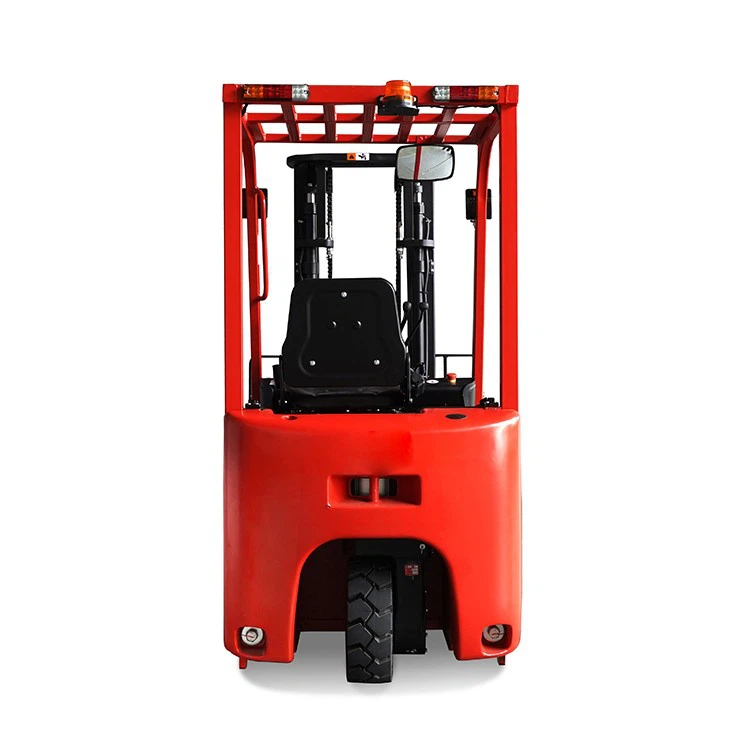
Proper lubrication of the moving parts of a three wheel electric forklift is essential for its smooth operation, longevity, and safety. By following the steps outlined in this blog post and using the right lubricants, you can ensure that your forklift performs at its best. If you're in the market for a reliable three wheel electric forklift, consider our 1.5 Ton Electric Forklift. Our forklifts are built to the highest standards and are designed to provide years of trouble - free service. If you have any questions about forklift lubrication or are interested in purchasing a forklift, don't hesitate to contact us for a detailed discussion and procurement negotiation.
References
- Forklift Maintenance Manuals from leading manufacturers
- Industry standards and best practices for forklift lubrication


