


Hey there! I'm a supplier of three wheel electric forklifts, and I often get asked about how to transport these nifty machines. So, I thought I'd share some tips and tricks on this topic.
First off, let's talk about why transporting a three wheel electric forklift needs some special attention. These forklifts are not your average run - of - the - mill items. They're heavy, have unique dimensions, and are packed with sensitive electrical components. A wrong move during transportation can lead to damage, which is a big no - no for both the forklift and your business.
Pre - Transport Checks
Before you even think about moving the forklift, you've got to do a thorough pre - transport check. Start by inspecting the forklift's overall condition. Check the tires for any signs of wear or damage. You don't want a flat tire during transit. Look at the forks too. Make sure they're not bent or cracked. A damaged fork can not only affect the forklift's functionality but also pose a safety risk during transportation.
Next, focus on the electrical system. Since it's an electric forklift, the battery and all the wiring are crucial. Ensure the battery is fully charged. You can use a battery charger to top it off if needed. Check the wiring for any loose connections or frayed wires. If you find any issues, fix them before you start moving the forklift.
Don't forget to secure all the loose parts. Things like the seatbelt, any attachments, or small tools that might be on the forklift should be properly fastened. You don't want them flying around and causing damage.
Choosing the Right Transport Method
Now, there are a few different ways to transport a three wheel electric forklift. One of the most common methods is using a flatbed truck. Flatbed trucks are great because they offer a large, open surface where you can easily load and unload the forklift.
When choosing a flatbed truck, make sure it has the right weight capacity. A 1.5 Ton Electric Forklift ["/electric-forklift/three-wheel-electric-forklift/1-5-ton-electric-forklift.html"] can be quite heavy, so you need a truck that can handle its weight without any problems. Also, check the size of the flatbed. It should be big enough to accommodate the forklift comfortably.
Another option is using a trailer. Trailers come in different sizes and types. Enclosed trailers can provide extra protection from the elements, which is great if you're transporting the forklift over a long distance or in bad weather. But they can also be more expensive. Open trailers are a more cost - effective option, but the forklift will be exposed to the elements.
Loading the Forklift
Loading the forklift onto the transport vehicle is a critical step. First, you need to make sure the vehicle is parked on a flat and stable surface. This will prevent any accidents during the loading process.
If you're using a ramp to load the forklift onto the truck or trailer, make sure the ramp is in good condition. Check for any signs of damage or wear. The ramp should also be long enough and have a gentle slope to make it easier for the forklift to climb.
When driving the forklift onto the ramp, go slowly and steadily. Keep the forks low to the ground to maintain balance. Once the forklift is on the truck or trailer, position it carefully. Try to center it as much as possible to distribute the weight evenly.
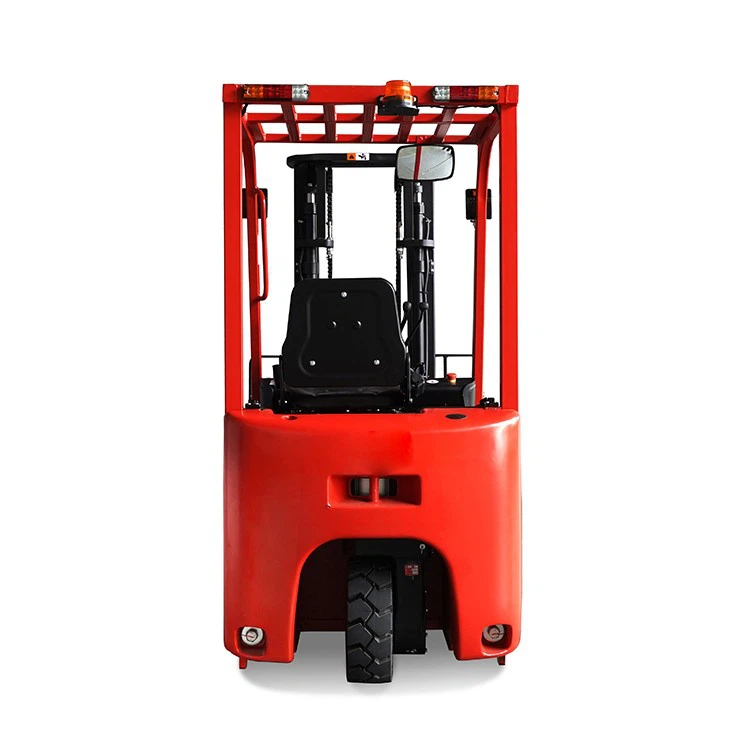

Securing the Forklift
Securing the forklift properly is essential to prevent it from moving during transit. You can use straps or chains to tie down the forklift. Make sure the straps or chains are strong enough to hold the weight of the forklift.
Attach the straps or chains to the forklift at strategic points, like the frame or the forks. Then, secure the other end of the straps or chains to the transport vehicle. Tighten the straps or chains so that the forklift is held firmly in place. But don't over - tighten them, as this could damage the forklift.
You might also want to use wheel chocks. Place wheel chocks in front of and behind the forklift's wheels. This will provide an extra layer of security and prevent the forklift from rolling.
Long - Distance Transport
If you're transporting the forklift over a long distance, there are a few additional things to consider. First, plan your route carefully. Avoid roads with a lot of potholes or rough terrain, as this can jolt the forklift and cause damage.
Check the weather forecast before you start the journey. If bad weather is expected, you might want to delay the transport or take extra precautions. For example, if it's going to rain, you can cover the forklift with a waterproof tarp.
During the journey, make regular stops to check on the forklift. Make sure the straps or chains are still tight and the forklift hasn't shifted position. If you notice any issues, address them immediately.
Unloading the Forklift
When you reach your destination, it's time to unload the forklift. Just like the loading process, make sure the unloading area is flat and stable. Lower the ramp carefully and drive the forklift off the transport vehicle slowly.
Once the forklift is off the vehicle, do another quick inspection. Check for any signs of damage that might have occurred during transportation. If everything looks good, you're ready to put the forklift to work.
Conclusion
Transporting a three wheel electric forklift might seem like a daunting task, but if you follow these steps, you can do it safely and effectively. Remember to do your pre - transport checks, choose the right transport method, load and secure the forklift properly, and take extra care during long - distance transport.
If you're in the market for a three wheel electric forklift or have any questions about transportation, don't hesitate to reach out. We're here to help you make the best decisions for your business. Whether you need a 1.5 Ton Electric Forklift ["/electric-forklift/three-wheel-electric-forklift/1-5-ton-electric-forklift.html"] or another model, we've got you covered.
References
- Forklift Safety Manuals
- Transport Industry Guidelines for Heavy Equipment


