


In recent years, the industrial world has witnessed a significant shift towards more sustainable and efficient equipment. Among these advancements, lithium battery forklifts have emerged as a game - changer, revolutionizing the way we approach material handling in the workplace. As a supplier of lithium battery forklifts, I have had the privilege of seeing firsthand the far - reaching impacts these machines have on the workplace environment.
1. Air Quality Improvement
One of the most notable impacts of lithium battery forklifts on the workplace environment is the improvement in air quality. Traditional forklifts, especially those powered by internal combustion engines (ICE), emit a variety of harmful pollutants. These include carbon monoxide (CO), nitrogen oxides (NOx), particulate matter (PM), and hydrocarbons. These pollutants can have severe health effects on workers, such as respiratory problems, eye irritation, and long - term lung diseases.
Lithium battery forklifts, on the other hand, produce zero tailpipe emissions. Since they operate using electricity stored in lithium - ion batteries, there is no combustion process taking place. This means that in indoor workplaces such as warehouses and distribution centers, the air remains clean and free from the toxic fumes associated with ICE forklifts. Workers can breathe easier, and the risk of occupational health issues related to poor air quality is significantly reduced.
For example, in a large - scale distribution center that previously used ICE forklifts, the introduction of lithium battery forklifts led to a noticeable reduction in the smell of exhaust fumes. Workers reported feeling less fatigued and having fewer respiratory problems during their shifts. This not only improved the well - being of the employees but also increased their productivity as they were able to focus better on their tasks.
2. Noise Reduction
Another significant impact on the workplace environment is the reduction in noise levels. ICE forklifts are known for their loud and often disruptive engine noises. These noises can reach high decibel levels, which can be a source of annoyance and stress for workers. Prolonged exposure to high - level noise can also lead to hearing loss and other auditory problems.
Lithium battery forklifts are much quieter in operation. The electric motors that power these forklifts produce significantly less noise compared to the engines of ICE forklifts. This creates a more peaceful and comfortable working environment. In workplaces where communication is crucial, such as in busy warehouses where workers need to communicate with each other to coordinate tasks, the reduced noise levels make it easier for them to communicate effectively.
For instance, in a manufacturing facility, the use of lithium battery forklifts allowed workers to have clear conversations without having to shout over the noise of the forklifts. This improved teamwork and efficiency as workers could quickly and accurately convey information to each other. The quieter environment also had a positive impact on the overall atmosphere in the workplace, making it a more pleasant place to work.
3. Energy Efficiency and Sustainability
Lithium battery forklifts are highly energy - efficient compared to their ICE counterparts. Lithium - ion batteries have a high energy density, which means they can store a large amount of energy in a relatively small and lightweight package. This allows the forklifts to operate for longer periods on a single charge.
Moreover, lithium battery forklifts can be charged quickly. Many modern lithium battery forklifts support fast - charging technology, which can significantly reduce the downtime for charging. This is in contrast to ICE forklifts, which require frequent refueling and may need to be taken out of operation for extended periods.
From a sustainability perspective, lithium battery forklifts are a more environmentally friendly option. The electricity used to charge the batteries can be sourced from renewable energy sources such as solar, wind, or hydro power. This reduces the carbon footprint of the workplace. As more companies strive to meet their sustainability goals, the use of lithium battery forklifts can be an important step in achieving those targets.
For example, a company that switched to lithium battery forklifts and sourced its electricity from solar panels was able to reduce its greenhouse gas emissions by a significant amount. This not only helped the company meet its environmental targets but also enhanced its corporate social responsibility image.
4. Maintenance and Space Requirements
Lithium battery forklifts generally require less maintenance compared to ICE forklifts. ICE forklifts have complex engine systems that need regular oil changes, filter replacements, and tune - ups. These maintenance tasks not only require time and resources but also generate waste materials such as used oil and filters.
Lithium battery forklifts have fewer moving parts, and the maintenance requirements are mainly focused on the battery and the electric motor. Battery management systems in modern lithium battery forklifts monitor the health of the battery and can provide alerts when maintenance is required. This proactive approach to maintenance reduces the likelihood of unexpected breakdowns and costly repairs.
In terms of space requirements, ICE forklifts often need dedicated areas for fuel storage and refueling. These areas need to comply with strict safety regulations and take up valuable floor space in the workplace. Lithium battery forklifts, on the other hand, only need a charging station. These charging stations can be designed to be compact and can be installed in a relatively small area, freeing up more space for other productive activities in the workplace.

5. Productivity and Operational Flexibility
The impact of lithium battery forklifts on workplace productivity cannot be overstated. The longer operating times and fast - charging capabilities of these forklifts mean that they can be used more efficiently throughout the workday. Workers do not have to waste time waiting for the forklifts to refuel or recharge for long periods.
For example, in a 24/7 distribution center, lithium battery forklifts can be quickly recharged during breaks or shift changes, allowing them to be back in operation almost immediately. This continuous availability of forklifts ensures that the material handling operations run smoothly and without interruption.
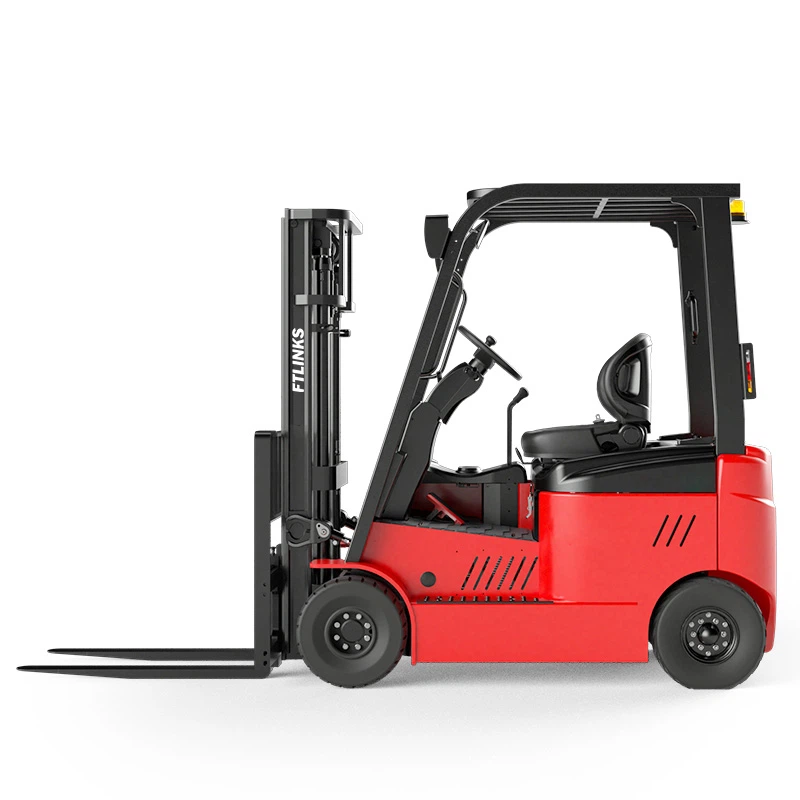
In addition, lithium battery forklifts offer greater operational flexibility. They can be used in a wider range of environments, including both indoor and outdoor settings. Their compact design and maneuverability make them suitable for tight spaces, which is often a requirement in modern warehouses and manufacturing facilities.
If you are interested in exploring the different options of lithium battery forklifts, you can check out our Small Electric Forklift, Lithium Battery Counterbalance Forklift, and Electric Counterbalance Trucks.
Contact for Procurement
If you are considering upgrading your workplace's forklift fleet to lithium battery forklifts, we are here to assist you. Our team of experts can provide you with detailed information about our products, including their features, specifications, and pricing. We can also offer customized solutions based on your specific workplace requirements. Whether you need a small number of forklifts for a local business or a large - scale fleet for a multinational corporation, we have the expertise and resources to meet your needs. Contact us today to start the procurement process and take the first step towards a more sustainable and efficient workplace.
References
- "Industrial Forklifts: Trends and Technologies" by Industrial Equipment Journal
- "The Impact of Electric Forklifts on Workplace Health and Safety" by Occupational Health Research Institute
- "Lithium - Ion Batteries: A Revolution in Forklift Power" by Battery Technology Magazine


