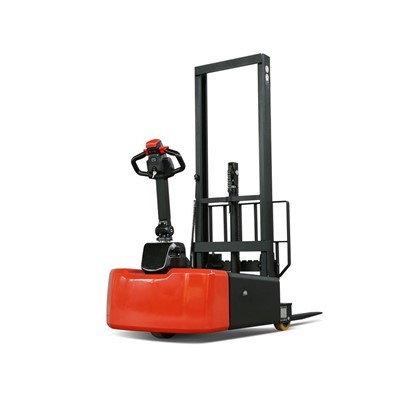
Forklifts, as an indispensable tool in the field of logistics and warehousing, are important handling tools in modern logistics warehousing and various industrial environments. Their work efficiency and safety are crucial. The lighting system of forklifts, especially lighting, is an important component to ensure safe operation at night or in low-light environments.
Types of forklift lighting
1. Work lights: installed in front of the forklift to illuminate the working area, so that the driver can observe the goods and working environment.

2. Signal lights: including turn signals, brake lights, etc., used to indicate the driving status of the forklift and remind surrounding personnel to avoid.

3. Warning lights: usually red or orange, used to remind other personnel to pay attention to the presence of forklifts in special circumstances.

4. Cab lighting: ensure the visual comfort and accuracy of the driver during operation.

Standards for selecting forklift lighting
01 Brightness and beam range
Choose the appropriate brightness and illumination range according to the actual lighting requirements of the working environment.
02 Durability
The lighting in industrial environments needs to have good vibration resistance, waterproof and dustproof capabilities. High-quality lamps can withstand the vibration and collision in daily forklift operations, reducing the frequency of maintenance and replacement.
03 Compatibility
Ensure that the lamps are compatible with the forklift model for easy installation and maintenance. LED lamps have become the first choice for forklift lamps due to their high efficiency and energy saving characteristics. They can reduce energy consumption while ensuring light efficiency.
04 Ease of installation
Choosing lamps that are easy to install and have good compatibility can reduce installation time and avoid affecting daily operations.
Installation and Maintenance
1. Check the bulbs and lampshades: Check regularly whether the bulbs are working properly and whether the lampshades are cracked or damaged. A cracked lampshade may affect the transmission of light and even risk falling fragments.
2. Check the wires and connections: Make sure all wires are firmly connected and free of wear and tear. Frayed wires not only affect the normal operation of the lamp, but also pose a safety hazard.
3. Check the fixtures: The fixtures of the lamps are subject to vibrations when the forklift is working. Check whether they are loose or worn, and ensure that the lamps are firmly fixed.
4. Replace damaged bulbs in time: Once it is found that the bulb no longer emits light or the brightness has dropped significantly, it should be replaced in time to ensure good lighting effects.
5. Upgrade lamps: Consider regularly upgrading lamps according to the latest technology, such as replacing traditional bulbs with LED lamps. LED lamps have a longer service life and lower energy consumption.