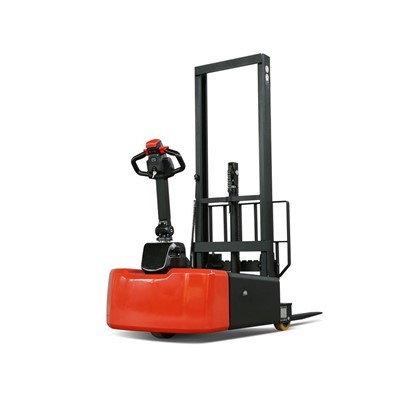
I. Basic Requirements 1. User Unit: It shall comply with the requirements of 5.1.1 in TSG81. 2. Driver: 1) Only after obtaining the "Special Equipment Operator Certificate" in accordance with the requirements of TSGZ6001, can the driver engage in forklift operations. 2) The driver shall adhere to the forklift use and maintenance instructions, be familiar with the vehicle's performance and the road conditions in the operation area, master the basic knowledge and skills of forklift maintenance, and properly carry out vehicle maintenance work.
3. Vehicles: 1) They should comply with the requirements of TSG81 and GB/T10827.1. 2) They should be inspected according to the requirements of TSG81. Forklifts that have not been inspected or have failed inspection shall not be driven or operated.
4. Operating Conditions: The normal climatic conditions and normal operating conditions for forklift operations shall comply with the requirements specified in 4.1.2 and 4.1.3 of GB/T10827.1, respectively.
5. Site Conditions
1) When there is snow, ice, water, or other foreign objects or obstacles on the road surface, the forklift can only operate after the road has been cleared and is ready for traffic.
2) The driving road surface should be flat and hard. In case of special conditions such as steep slopes, long slopes, sharp turns, narrow roads, and deep ditches in the driving route, protective facilities, warning signs, and speed limit reminders should be set up.
3) The work area should have sufficient lighting.
Safety Requirements
1. Pre-operation Inspection
* Before starting the forklift, conduct a thorough inspection and make a record. Do not operate the forklift with any faults.
2. Speed Limitations
* Follow the speed limits set by the workplace and do not exceed the speed limit.
3. Load Capacity
* Understand the load capacity of the forklift and do not overload it.
4. Passenger and Cargo Transportation
* Do not use the forklift to transport passengers or cargo.
5. Work Environment and Clothing
* Wear appropriate work clothing and personal protective equipment according to the working environment, and fasten seat belts if equipped. Do not operate the forklift while wearing high heels, slippers, or without shoes.
6. Turning and Parking
* Slow down and park the forklift in a safe and level location. Do not park on slopes or crosswalks.
7. Maintenance and Cleaning
* Regularly check and clean the forklift, including the tires, brakes, lights, horn, and other components. Keep the forklift in good condition to ensure safe operation.
8. Emergency Response
* In case of an emergency, immediately stop the forklift and report the situation to relevant personnel. Do not attempt to fix the problem yourself.
9. Safety First
* Always prioritize safety when operating the forklift. Follow all safety instructions and regulations to ensure a safe working environment.