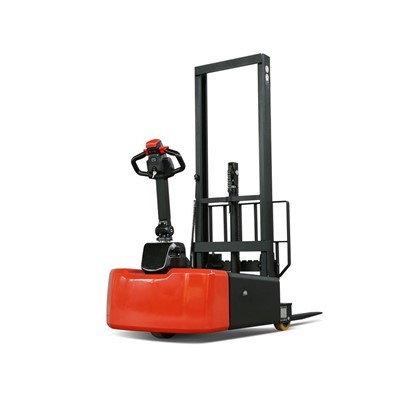
To fully utilize the performance and efficiency of your forklift, one way to ensure your forklift is in good condition is to choose the right battery for it.
Forklift Battery Warranty
Battery cost is not the only factor to consider when buying a new forklift battery. Warranty is also an important consideration. It is best to choose a forklift battery that comes with a long warranty period, and read the warranty terms carefully to confirm that you understand the warranty coverage. For example, you need to confirm whether battery replacement is available to solve the problem, and check whether the warranty on replacement parts is provided.
Forklift Battery Compartment Dimensions
Before buying a new forklift battery, measure the width, depth, and height of your forklift battery compartment and write these dimensions down. Do not use previous batteries to measure to ensure that you are not limited to choosing the same battery model and have more options.
Forklift Voltage
Before buying a new battery, determine what voltage your forklift uses. Most forklifts will have the voltage range they can accept marked on the external panel. In addition, you can also check the manufacturer's technical specifications to determine. Choosing the wrong voltage battery will not only damage the battery, but also your forklift.
Forklift Counterweight Requirements
Each forklift has a minimum rated battery weight. The counterweight provided by the forklift battery is essential for safe forklift operation. Installing a battery that is too light can affect the stability of the forklift. You can find relevant data on the forklift's nameplate or technical specifications. Generally speaking, lithium batteries are lighter than lead-acid batteries, which is one of the main advantages of lithium batteries. This ensures that they can provide more power for the same size and weight of the battery.
Forklift Battery Chemistry Types
Forklifts mainly use two types of batteries as a power source: lead-acid batteries and lithium iron phosphate batteries. In recent years, lithium iron phosphate batteries have gradually replaced lead-acid batteries and become the preferred choice for Class I, II and III forklifts. Load and Travel Distance Generally speaking, the heavier the load, the higher the height of the lift, and the longer the distance traveled, the larger the capacity battery is required. If you want to maintain reliable output during a normal 8-hour shift, then lithium batteries are a good performance choice.
Forklift Attachment Types
In addition to the load, the attachments used on the forklift are another factor to consider. The heavier the load, the heavier the forklift attachment required. Therefore, you will need a battery with a larger capacity to provide enough power to maintain reliable operation.
Connector type
Connectors are an important consideration when choosing a forklift battery. You need to know the location of the cable, the required length, and the type of connector.
Forklift operating environment temperature
In addition to the forklift battery cost, you also need to consider the normal operating environment temperature of the forklift. The suitable operating temperature of lead-acid batteries is 15-25℃. If the temperature exceeds 40℃ or is below 0℃, the capacity of the battery will drop significantly, and the charging and discharging effect will also deteriorate. Lithium batteries have stronger thermal stability and generally have a thermal management system design. They can perform well in high and low temperature working environments ranging from -20℃ to 55℃.