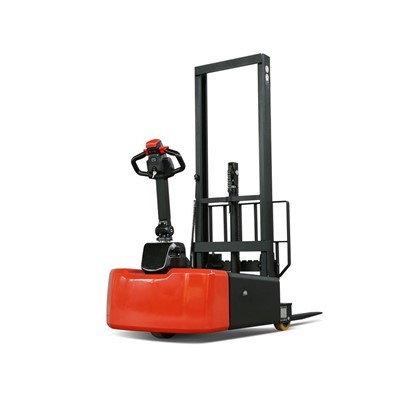
Forklift: The Backbone of Modern Warehousing, Logistics, and Manufacturing
The forklift is far more than a simple lifting machine-it is the unsung hero of global supply chains, the linchpin of efficient warehousing, and a critical asset that keeps manufacturing, distribution, and logistics operations running smoothly. From small retail warehouses to massive industrial facilities, forklifts handle the heavy lifting (literally and figuratively) of moving pallets, raw materials, and finished goods, cutting down manual labor time by up to 70% and reducing the risk of workplace injuries associated with manual material handling. For businesses of all sizes, understanding how to choose, operate, and maintain a forklift isn't just a matter of efficiency-it's a strategic decision that impacts productivity, safety, and bottom-line performance.
What Is a Forklift, and Why Does It Matter?
At its core, a forklift (also known as a lift truck or fork truck) is a powered industrial vehicle designed to lift, carry, and stack materials over short distances. Unlike manual carts or hand trucks, forklifts are equipped with two pronged "forks" at the front, a hydraulic lifting system, and a maneuverable chassis-features that let them handle loads ranging from 1,000 to 100,000 pounds, depending on the model. This versatility makes the forklift indispensable across industries: in retail, forklifts stock high shelves with inventory; in manufacturing, they move raw materials to assembly lines and finished products to shipping docks; in construction, they transport heavy equipment and building supplies; and in agriculture, they load and unload crops, feed, and machinery.
The true value of a forklift lies in its ability to turn slow, labor-intensive tasks into fast, streamlined processes. For example, a single forklift operator can move 10–15 pallets per hour, a task that would take 3–4 workers using manual tools. This efficiency doesn't just save time-it reduces labor costs, minimizes product damage (since forklifts handle loads with precision), and maximizes warehouse space by enabling vertical stacking (many forklifts can reach heights of 20 feet or more). In today's fast-paced logistics landscape, where customers expect quick deliveries and businesses compete on speed, a reliable forklift isn't a luxury-it's a necessity.
Types of Forklifts: Choosing the Right One for Your Needs
Not all forklifts are created equal, and selecting the right model depends on your workspace, load requirements, and operational goals. The most common types of forklifts include:
• Counterbalance Forklifts: The most widely used type, counterbalance forklifts have a weighted rear end to balance heavy loads on the front forks. They work well in open spaces like warehouses, shipping yards, and retail stores, and can handle loads from 2,000 to 36,000 pounds. Their compact design makes them ideal for indoor use, though outdoor models (with rugged tires and weather-resistant features) are also available.
• Reach Forklifts: Designed for narrow-aisle warehousing, reach forklifts have an extendable arm (or "reach") that lets them reach loads on high shelves without needing to turn the entire vehicle. They're perfect for facilities with tight spaces and tall racking systems (up to 40 feet high) and are commonly used in e-commerce and distribution centers where space optimization is key.
• Pallet Jacks (Walkie/Rider Forklifts): Smaller and more maneuverable than counterbalance models, pallet jacks are designed for low-lift tasks (usually up to 6 inches) like moving pallets across flat floors. Walkie pallet jacks are operated by a person walking behind, while rider models let the operator stand or sit-making them ideal for small warehouses, retail backrooms, and loading docks with light to medium loads (up to 8,000 pounds).
• Rough-Terrain Forklifts: Built for outdoor, uneven surfaces (like construction sites, farms, or lumberyards), rough-terrain forklifts have large, pneumatic tires, powerful engines, and high ground clearance. They can handle heavy loads (up to 20,000 pounds) and often come with attachments like side shifters or clamps for handling irregular materials (e.g., logs, pipes).
• Order Pickers: Unlike traditional forklifts that move entire pallets, order pickers let operators lift themselves up to retrieve individual items from shelves-making them essential for e-commerce fulfillment centers and retail operations where "pick-and-pack" efficiency is critical.
Choosing the wrong forklift can lead to inefficiency, safety risks, and unnecessary costs. For example, using a counterbalance forklift in a narrow-aisle warehouse will slow down operations and risk damaging racking, while a pallet jack will struggle to handle heavy loads in a manufacturing plant. Always assess your space (indoor vs. outdoor, aisle width, ceiling height), load weight/size, and daily tasks before investing in a forklift.
Forklift Safety: Non-Negotiable Rules for Operators and Workplaces
While forklifts boost productivity, they also pose significant safety risks if not operated properly. According to the Occupational Safety and Health Administration (OSHA), forklift accidents cause over 100 deaths and 20,000 serious injuries in the U.S. each year-most of which are preventable with proper training and safety protocols.
The first and most critical rule of forklift safety is operator certification. No one should operate a forklift without completing a formal training program (including both classroom instruction and hands-on practice) and passing a written and practical exam. Certified operators understand how to handle the forklift's weight distribution (a common cause of tip-overs), navigate tight spaces, and react to hazards like wet floors or obstacles.
Other key forklift safety practices include:
• Pre-Operation Inspections: Before using a forklift, operators must check for issues like low fuel/battery, worn tires, faulty brakes, and leaking hydraulic fluid. A 5-minute inspection can prevent breakdowns and accidents during operation.
• Load Management: Never exceed the forklift's rated load capacity (displayed on the vehicle's data plate), and always center loads on the forks to avoid tipping. Overloading is one of the top causes of forklift tip-overs, which are responsible for 25% of forklift-related deaths.
• Workspace Awareness: Forklifts have blind spots, so operators must use horns at intersections, slow down in crowded areas, and keep a safe distance from pedestrians. Workplaces should also mark clear walkways, install mirrors at blind spots, and post speed limits (usually 5 mph indoors).
• Proper Maneuvering: Avoid sharp turns, sudden stops, or speeding-especially when carrying loads. When lifting or lowering loads, do so slowly and smoothly to prevent the load from shifting or falling.
By prioritizing forklift safety, businesses not only protect their employees but also reduce downtime (from accidents) and avoid costly OSHA fines (which can reach up to $136,532 per violation).
Forklift Maintenance: Extending the Life of Your Asset
A well-maintained forklift can last 10–15 years, while a neglected one may break down after just 3–5 years-costing thousands in repairs or replacement. Regular maintenance is key to keeping your forklift running reliably, and it starts with following the manufacturer's recommended service schedule (usually based on hours of operation, e.g., service every 200–500 hours).
Basic forklift maintenance tasks include:
• Fluid Checks: Regularly check and replace engine oil, hydraulic fluid, coolant, and brake fluid. Low or dirty fluids can cause engine damage, hydraulic system failures, or brake issues.
• Tire Care: Inspect tires for wear, cracks, or punctures-worn tires reduce traction and stability, increasing the risk of accidents. Replace tires as needed, and keep them properly inflated (for pneumatic tires).
• Battery Maintenance (for Electric Forklifts): Electric forklifts rely on batteries that need to be charged correctly (avoid overcharging or undercharging) and watered regularly (for flooded lead-acid batteries). A well-maintained battery can last 4–6 years, while a poorly cared-for one may need replacement in 2 years.
• Component Inspections: Check forks for bending or cracks, hydraulic hoses for leaks, and brakes for responsiveness. Replace worn or damaged parts immediately-delaying repairs can lead to more expensive issues down the line.
Many businesses choose to partner with professional forklift service providers for maintenance, as they have the expertise to spot potential issues early and ensure compliance with manufacturer standards. For smaller operations, in-house teams can handle basic maintenance (like fluid checks or tire inspections) as long as they're trained to do so.
The Future of Forklifts: Innovation in Efficiency and Sustainability
As industries shift toward sustainability and automation, forklifts are evolving too. Electric forklifts, once limited to light-duty tasks, now rival gas or diesel models in power and load capacity-making them a popular choice for indoor operations (since they produce no emissions) and businesses aiming to reduce their carbon footprint. Electric forklifts also have lower operating costs (electricity is cheaper than gas/diesel) and require less maintenance (no engine oil or filters to change).
Automated Guided Vehicles (AGVs) and Autonomous Mobile Robots (AMRs) are also transforming the forklift landscape. These self-driving forklifts use sensors, cameras, and AI to navigate warehouses, move loads, and even collaborate with human operators-reducing labor costs and improving efficiency. While AGVs are best for repetitive tasks (like moving pallets between two points), AMRs are more flexible and can adapt to changing environments (e.g., new racking layouts or unexpected obstacles).
Other innovations include lithium-ion batteries (which charge faster and last longer than traditional lead-acid batteries), telematics systems (which track forklift location, usage, and maintenance needs in real time), and ergonomic designs (which reduce operator fatigue and improve productivity).
Conclusion: The Forklift as a Strategic Investment
In the end, a forklift is more than just a piece of equipment-it's a strategic investment that drives efficiency, safety, and growth. Whether you're a small business owner looking to streamline your warehouse or a large manufacturer managing a global supply chain, choosing the right forklift, training your team to operate it safely, and maintaining it properly will pay dividends for years to come.
As logistics and manufacturing continue to evolve, the forklift will remain at the center of these industries-adapting to new technologies, sustainability goals, and operational needs. By understanding the role of the forklift in your business and investing in its safe, efficient use, you're not just buying a machine-you're building a foundation for long-term success.